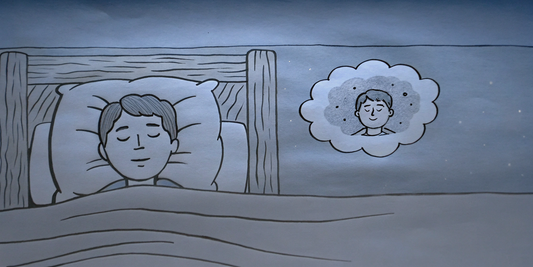
What is a Reality Shifter and How to Explore Alternate Realities
Share
Table of Contents
- Introduction
- Defining Reality Shifting
- The Psychology Behind Reality Shifting
- Common Methods for Achieving a Shift
- The Potential Benefits and Risks of Reality Shifting
- How Reality Shifting Aligns with Trevania’s Mission of Personal Growth
- Conclusion
Introduction
Have you ever found yourself daydreaming about living in a world where you possess extraordinary powers, or perhaps one where your favorite fictional characters come to life? The phenomenon of reality shifting allows individuals to engage deeply with their imagination and explore alternate realities. This captivating practice has gained significant traction, particularly among younger audiences on platforms like TikTok and YouTube, where millions share their experiences and techniques.
Reality shifting is not merely a whimsical pastime; it speaks to our innate desire to explore the uncharted territories of our consciousness. At Trevania, we understand the profound potential of such practices and how they can facilitate personal growth and self-discovery. Our journey began with a shared fascination for the untapped potential of the human mind, and we believe that understanding our inner world is key to leading a more empowered and enlightened life.
In this blog post, we will delve into the concept of reality shifting, exploring its psychological underpinnings, methods to achieve it, and its implications for personal transformation. By the end of our exploration, you’ll gain a comprehensive understanding of what it means to be a reality shifter and how you can engage with this phenomenon safely and effectively.
We will cover the following key areas:
- Defining reality shifting and its significance
- The psychology behind reality shifting
- Common methods for achieving a shift
- The potential benefits and risks of reality shifting
- How reality shifting aligns with Trevania’s mission of personal growth
Together, we’ll embark on a journey into the realms of imagination and consciousness, guiding you through the intricacies of reality shifting.
Defining Reality Shifting
At its core, reality shifting is the practice of consciously moving one’s awareness from the current reality (CR) to a desired reality (DR). This desired reality can be a personal fantasy or a well-known fictional universe, such as the world of Harry Potter or the enchanting landscapes of anime. The concept is often linked to the Multiverse Theory, which posits that countless alternate realities exist parallel to our own, each containing different versions of ourselves and varying life paths.
Reality shifting can be seen as a form of immersive imaginative play. It allows individuals to explore their dreams and desires, offering a temporary escape from the challenges of everyday life. The practice has surged in popularity, particularly among teenagers and young adults, with the hashtag #RealityShifting amassing billions of views online.
But what makes this phenomenon so captivating? For many, shifting offers a sense of control and adventure, allowing them to experience lives they have only dreamed of. In a world where we often feel constrained by our circumstances, the ability to step into another reality can be profoundly liberating.
The Psychology Behind Reality Shifting
While the subjective experience of reality shifting is widely reported, the psychological mechanisms behind it are still being explored. A 2021 study on “reality shifters” revealed that individuals engaged in this practice often share specific psychological traits, including:
- Absorption: This trait refers to an individual's capacity to become deeply immersed in sensory experiences, fantasies, or imaginative activities. Reality shifters often exhibit high levels of absorption, allowing them to vividly imagine alternate realities and concentrate on their shifting practices.
- Dissociation: This psychological phenomenon involves a disconnection between thoughts, identity, and consciousness. While mild forms of dissociation can occur during daydreaming, more intense experiences may lead individuals to temporarily lose awareness of their surroundings, further enhancing their capacity to engage with alternate realities.
- Fantasy-Proneness: Individuals who are highly imaginative and prone to vivid fantasies often find it easier to immerse themselves in alternate realities. This trait allows reality shifters to develop strong emotional connections to characters and settings within their desired realities.
Understanding these traits helps us appreciate the unique experiences of reality shifters. It also highlights the importance of approaching the practice with mindfulness and intention. At Trevania, we advocate for a balanced exploration of consciousness, ensuring that individuals are grounded in their current reality even as they explore alternate dimensions.
Common Methods for Achieving a Shift
Reality shifting is facilitated through various methods that help practitioners enter a state conducive to shifting. Here are some of the most popular techniques:
- The Raven Method: This technique involves lying in a "starfish" position, where no part of the body touches another surface. The individual then counts down from 100 while reciting affirmations related to their desired reality. The goal is to focus on the sensations and experiences associated with the shift.
- The Alice in Wonderland Method: This method encourages individuals to visualize themselves falling down a rabbit hole, akin to Alice's journey. Practitioners often imagine chasing a character from their desired reality, which helps them immerse themselves in the experience.
- The Elevator Method: In this technique, individuals visualize themselves in an elevator, ascending to their desired reality. As they imagine passing each floor, they focus on building their energy levels until they feel ready to enter the new reality.
- Script Writing: Many reality shifters create detailed scripts outlining the specifics of their desired reality. This includes character interactions, environments, and events they wish to experience. Writing a script enables practitioners to visualize their shift more effectively and enhances their immersive experience.
- Meditation and Visualization: Practicing mindfulness and relaxation techniques can prepare the mind for shifting. Using calming music or nature sounds, individuals can create a safe and comfortable space to focus on their desired experiences.
Each of these methods emphasizes the importance of intention and visualization. It’s essential to approach the practice with clarity about what you wish to experience in your desired reality. This aligns with Trevania’s core values of curiosity and empowerment, encouraging individuals to take proactive steps toward their personal exploration.
The Potential Benefits and Risks of Reality Shifting
As with any practice that delves into the depths of consciousness, reality shifting comes with both potential benefits and risks. Let’s explore both sides of the coin.
Benefits of Reality Shifting
- Creative Expression: Engaging with alternate realities can enhance creativity and imagination. It allows individuals to explore new ideas, scenarios, and characters, fostering artistic expression and innovation.
- Stress Relief: For many, reality shifting serves as a form of escapism, providing temporary relief from stress and anxiety. Immersing oneself in a different reality can offer a much-needed break from daily pressures.
- Self-Discovery: Reality shifting can lead to profound insights about one’s desires, fears, and motivations. By exploring different scenarios, individuals may gain clarity on their own lives and aspirations.
- Empowerment: The ability to consciously shift to a desired reality can instill a sense of agency and control. It reinforces the idea that individuals can shape their experiences and narratives, promoting a growth mindset.
Risks of Reality Shifting
- Addiction or Over-Reliance: Some individuals may find themselves overly reliant on shifting as a coping mechanism, which could hinder their ability to engage with reality. It’s crucial to maintain a healthy balance between exploration and everyday life.
- Dissociation: While mild dissociation can enhance the shifting experience, excessive detachment from reality can pose risks. It’s essential to remain grounded in one’s current reality and seek professional help if dissociative experiences become problematic.
- Unhealthy Escapism: Reality shifting should not be viewed as a substitute for addressing real-life challenges. Using shifting as a means to avoid confronting personal issues can lead to unresolved emotional difficulties.
- Community Influence: Engaging with online communities focused on reality shifting can sometimes perpetuate misinformation or unhealthy beliefs. It’s important to critically assess the content and maintain a discerning perspective.
At Trevania, we encourage a mindful approach to reality shifting, emphasizing the importance of self-awareness and personal growth. Engaging with alternate realities can be enriching, but it’s vital to stay grounded and proactive in addressing life’s challenges.
How Reality Shifting Aligns with Trevania’s Mission of Personal Growth
At Trevania, our mission is to make profound inner practices accessible to all, empowering individuals to explore the vast landscapes of their own consciousness. Reality shifting, when approached mindfully, aligns seamlessly with our commitment to personal transformation.
We believe that understanding our inner world is essential for leading a fulfilling life. Reality shifting offers a unique opportunity for individuals to delve into their imaginations, confront their desires, and gain insights into their identities. By fostering curiosity and mindfulness, we can create a supportive environment for individuals to explore their consciousness responsibly.
Our flagship guide, "Simulacra: A Beginner's Guide to Shifting Realities," serves as a comprehensive resource for those interested in navigating the practice of reality shifting. It provides expert-backed techniques, practical tips, and a safe framework for exploring alternate dimensions. We encourage readers to download this guide and embark on their journey of self-discovery.
Conclusion
As we conclude our exploration of reality shifting, we hope you’ve gained valuable insights into this fascinating phenomenon. The ability to consciously engage with alternate realities can serve as a powerful tool for creativity, self-discovery, and personal empowerment. However, it’s essential to approach the practice with mindfulness and intention, ensuring a healthy balance between exploration and engagement with our current lives.
By understanding the psychology behind reality shifting, familiarizing ourselves with various techniques, and recognizing the potential benefits and risks, we can embark on this journey with confidence. At Trevania, we are committed to guiding you through your exploration of consciousness, offering resources that empower you to unlock new realms of self-discovery.
To learn more about reality shifting and how to engage with it safely, we invite you to explore our guide, "Simulacra: A Beginner's Guide to Shifting Realities" here.
FAQ
What is a reality shifter?
A reality shifter is someone who practices reality shifting, which involves intentionally moving their consciousness to an alternate reality, often based on personal fantasies or fictional worlds.
Is reality shifting a form of lucid dreaming?
While both reality shifting and lucid dreaming involve altered states of consciousness, they are distinct practices. Lucid dreaming occurs during sleep when the dreamer becomes aware they are dreaming, while reality shifting is characterized by conscious intention to explore alternate realities.
What are the most common methods for shifting?
Popular methods for reality shifting include the Raven Method, the Alice in Wonderland Method, and visualization techniques, among others. Each method emphasizes intention, visualization, and relaxation.
Can reality shifting be harmful?
Like any practice involving altered states of consciousness, reality shifting can carry risks, such as addiction or dissociation. It’s essential to approach the practice mindfully and maintain a balance with everyday life.
Where can I learn more about reality shifting?
To deepen your understanding and explore practical techniques for reality shifting, we recommend downloading our guide, "Simulacra: A Beginner's Guide to Shifting Realities" here.