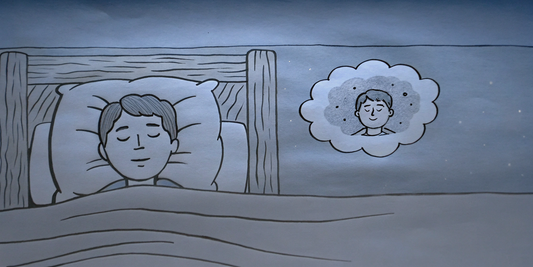

Is Shifting Realities Real? Exploring the Depths of Consciousness and Alternate Worlds
Share
Table of Contents
- Introduction
- The Concept of Reality Shifting
- The Psychological Aspects of Reality Shifting
- Methods of Reality Shifting
- The Science of Consciousness
- Benefits and Risks of Reality Shifting
- Conclusion and Reflection
Introduction
What if we told you that millions of people around the world believe they can traverse to alternate realities, experiencing worlds crafted from their wildest dreams? This is not mere fantasy; it's a phenomenon known as reality shifting, which has captivated the imaginations of individuals, especially among younger generations. With over 1.8 billion views on TikTok alone, the topic has sparked intense curiosity and debate about the nature of consciousness and our understanding of reality.
At Trevania, our journey began with a shared fascination for the untapped potential of the human mind. We believe that understanding our inner world is the key to a more empowered and enlightened life. Our exploration of reality shifting aligns with our core values of curiosity, mindfulness, empowerment, and a steadfast commitment to personal growth. In this blog post, we'll delve into the intricacies of reality shifting, examining its psychological foundations, methods, and implications for personal transformation. By the end, we hope to provide you with a comprehensive understanding of whether shifting realities is indeed real and how you might engage safely in this practice.
We will cover several critical areas, including:
- The Concept of Reality Shifting: What it is and its relevance in modern culture.
- The Psychological Aspects: Exploring the traits that facilitate shifting.
- Methods of Reality Shifting: Various techniques and practices.
- The Science of Consciousness: How shifting relates to our understanding of reality.
- Benefits and Risks: The potential advantages and pitfalls of engaging in this practice.
- Conclusion and Reflection: How to approach reality shifting thoughtfully.
Let's embark on this exploration together and uncover the layers of reality shifting, a practice that may offer us new insights into our consciousness and existence.
The Concept of Reality Shifting
Reality shifting refers to the practice of moving one’s consciousness to alternate realities, often described as immersive experiences in fictional worlds or desired environments. This phenomenon has gained traction especially among youths, driven by social media platforms where users share experiences, tips, and methods for successful shifting.
Historical Context and Cultural Relevance
The concept of shifting can be traced back to various cultural narratives and practices, including lucid dreaming, meditation, and even ancient shamanistic traditions. However, the modern interpretation has flourished particularly in the digital age, with the COVID-19 pandemic serving as a catalyst for many seeking escape from reality. The rise of online communities and the sharing of experiences on platforms like TikTok and Reddit has led to a burgeoning interest in the practice.
Why is it Captivating?
The allure of reality shifting lies in its promise of escapism and adventure. For many, it offers a way to experience life beyond the constraints of their current existence. Whether it’s visiting the magical world of Harry Potter or stepping into the shoes of a character from their favorite anime, the possibilities seem endless. This desire for exploration taps into our innate curiosity and longing for personal empowerment.
The Psychological Aspects of Reality Shifting
While the practice of reality shifting may seem whimsical, it has profound psychological underpinnings. Research suggests that certain psychological traits may predispose individuals to successfully engage in reality shifting.
Absorption
Absorption refers to a person's ability to become deeply immersed in experiences. Those with high absorption capacities often have vivid imaginations and can concentrate intensely, allowing them to simulate alternate realities more effectively. This trait is crucial for effective shifting, as it enables individuals to focus their energies on the desired reality.
Dissociation
Dissociation is a psychological phenomenon involving a disconnection between thoughts, identity, and consciousness. In the context of reality shifting, it manifests as a temporary detachment from the current reality, allowing practitioners to immerse themselves in their desired worlds. While dissociation can lead to enriching experiences, it’s essential to navigate this state with caution to prevent it from becoming a maladaptive coping mechanism.
Fantasy-Proneness
Individuals with a tendency toward fantasy-proneness often have rich inner lives filled with vivid daydreams and imaginary experiences. This trait helps individuals forge emotional connections with their desired realities, enhancing the shifting experience. However, it can also blur the lines between reality and fantasy, warranting a balanced approach when engaging in shifting practices.
Summary of Psychological Traits
- Absorption: Deep immersion in experiences, enhancing visualization.
- Dissociation: Temporary detachment from reality, allowing for enhanced focus.
- Fantasy-Proneness: Rich imaginative capacity that aids in emotional connections.
Understanding these psychological aspects can help us navigate the practice of reality shifting more effectively, ensuring that we remain grounded in our personal growth journey while exploring new realms of consciousness.
Methods of Reality Shifting
There are several techniques that practitioners use to facilitate the shifting process. These methods often involve meditation, visualization, and scripting, allowing individuals to prepare their minds for the transition to a desired reality.
Popular Shifting Techniques
- The Raven Method: This method involves lying in a starfish position (arms and legs spread out) and counting to 100 while repeating affirmations. This position helps to promote relaxation and focus.
- The Alice in Wonderland Method: Practitioners visualize themselves sitting against a tree and then chase a character from their desired reality down a rabbit hole, facilitating the transition.
- The Elevator Method: Individuals imagine themselves in an elevator that ascends to their desired reality. As they visualize moving up, they focus on building energy until they reach their intended destination.
- The Pillow Method: This technique involves writing affirmations and scripts on paper and placing it under the pillow before sleep, promoting shifting during the night.
- Subliminals and Affirmations: Many users listen to subliminal audio messages or affirmations that reinforce their intention to shift, increasing their likelihood of success.
Preparation Steps
Before attempting to shift, many practitioners engage in a preparation phase, which can include:
- Mindfulness Meditation: Clear the mind and focus on the shifting process.
- Scripting: Write out detailed descriptions of the desired reality, including sensory details and emotional experiences.
- Positive Affirmations: Use affirmations to bolster confidence in the ability to shift successfully.
Summary of Methods
- Raven Method: Counting and affirmations promote relaxation.
- Alice in Wonderland Method: Visual pursuit of characters facilitates transition.
- Elevator Method: Ascending energy levels lead to desired reality.
- Pillow Method: Affirmations are placed under the pillow for subconscious influence.
- Subliminals: Audio messages reinforce shifting intentions.
By employing these techniques, individuals can enhance their ability to shift and engage more meaningfully with their desired realities.
The Science of Consciousness
To understand reality shifting, it is essential to explore the broader context of consciousness and how it relates to our perception of reality. Theories from psychology and neuroscience can offer insights into the mechanisms underlying this phenomenon.
Multiverse Theory
One of the most discussed theories related to reality shifting is the multiverse theory, which posits that multiple, possibly infinite, universes exist simultaneously. Each universe represents different possibilities and outcomes. This framework can provide a philosophical backdrop for the idea of shifting.
Consciousness and Reality
The relationship between consciousness and reality is complex. Neuroscience suggests that our perception of reality is largely constructed by our brain, which interprets sensory information and creates our experiences. This indicates that our understanding of reality is subjective and can be influenced by our thoughts, emotions, and even our intentions.
Implications for Shifting
Understanding consciousness as a construct opens up possibilities for exploring alternate realities. If our minds can create and navigate through these constructs, then shifting may well be a manifestation of our cognitive abilities to engage with these imagined worlds.
Summary of Scientific Insights
- Multiverse Theory: Multiple realities coexisting, supporting the concept of shifting.
- Consciousness: Our perception of reality is subjective and constructed by our brain.
- Cognitive Abilities: Shifting may leverage our innate ability to engage with imagined realities.
By grounding our understanding of reality shifting in the science of consciousness, we can approach this practice with both curiosity and critical thinking, recognizing its potential for personal exploration and growth.
Benefits and Risks of Reality Shifting
As with any practice that engages deeply with the mind, reality shifting comes with its own set of benefits and risks. Understanding these can help individuals make informed choices about their involvement in shifting practices.
Potential Benefits
- Creative Expression: Reality shifting can serve as a canvas for creativity, allowing individuals to explore their fantasies and ideas freely.
- Stress Relief: Engaging in alternate realities can provide a form of escapism, offering temporary relief from the stresses and pressures of everyday life.
- Personal Insight: The practice may lead to insights about oneself, as individuals navigate their desires and emotions through different scenarios.
- Enhanced Visualization Skills: Regular practice can improve one’s ability to visualize and manifest ideas in their waking life.
Potential Risks
- Dissociation: Overindulgence in shifting could lead to difficulties in distinguishing between reality and fantasy, posing risks to mental health.
- Addiction to Escapism: For some, the allure of shifting could become addictive, leading to avoidance of real-life challenges and responsibilities.
- Emotional Attachment: Forming strong bonds with characters or situations in desired realities can result in emotional turmoil when transitioning back to the real world.
- Lack of Grounding: Spending too much time in alternate realities may impede personal growth and the development of coping strategies for real-world problems.
Summary of Benefits and Risks
- Benefits: Creative exploration, stress relief, personal insights, enhanced visualization.
- Risks: Dissociation, escapism addiction, emotional attachments, lack of grounding.
Approaching reality shifting with a balanced perspective is crucial. While it can offer enriching experiences, it is essential to maintain a connection with our present reality and engage in self-reflection to ensure healthy practices.
Conclusion and Reflection
In our exploration of reality shifting, we have examined the psychological traits that facilitate this practice, the various methods individuals employ, the scientific insights surrounding consciousness, and the potential benefits and risks associated with engaging in this phenomenon. As we reflect on the question, "Is shifting realities real?" it becomes clear that while the experience may be subjective and personal, it holds significant meaning for those who engage with it.
At Trevania, we believe that understanding our inner world is fundamental to personal growth. Reality shifting can be a powerful tool for self-exploration and creativity, provided it is approached mindfully and with intention. We encourage you to consider your own desires for exploration and transformation as you navigate this fascinating practice.
As you ponder your journey into the possibilities of reality shifting, we invite you to explore our foundational guide, Simulacra: A Beginner's Guide to Shifting Realities, which offers expert-backed techniques and insights to help you embark on your own transformative adventure.
FAQ
1. What is reality shifting?
Reality shifting is the practice of moving one’s consciousness to alternate realities, often involving immersive experiences in fictional or desired worlds.
2. Is reality shifting scientifically proven?
There is no scientific consensus on reality shifting as a literal alteration of reality. It is primarily seen as a subjective experience influenced by psychological factors.
3. What psychological traits help with reality shifting?
Traits such as absorption, dissociation, and fantasy-proneness are believed to facilitate successful reality shifting experiences.
4. What methods can I use to shift realities?
Popular methods include the Raven Method, Alice in Wonderland Method, Elevator Method, and the Pillow Method, among others.
5. Are there risks associated with reality shifting?
Yes, potential risks include dissociation, addiction to escapism, emotional attachment to alternate realities, and a lack of grounding in the present reality.
6. How can I approach reality shifting mindfully?
Maintain a balanced perspective, engage in self-reflection, and be aware of your emotional and mental well-being while exploring shifting practices.
By considering these insights and engaging with the practice thoughtfully, we can unlock new realms of consciousness and self-discovery, fostering a deeper understanding of both ourselves and the realities we wish to explore.