
How to Control Your Dreams: Mastering Lucid Dreaming with Trevania
Share
Table of Contents
- Introduction
- The Power of Lucid Dreaming
- The Science Behind Lucid Dreaming
- Common Challenges in Learning Lucid Dreaming
- Techniques to Induce Lucid Dreams
- The Benefits of Lucid Dreaming
- Conclusion
- FAQ
Introduction
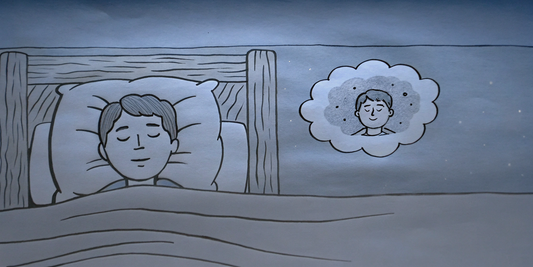
Have you ever found yourself in a dream, aware that you were dreaming, yet unable to control the unfolding narrative? It’s a frustrating experience many of us share. The ability to control our dreams, to shape our nocturnal adventures, is a tantalizing prospect that remains just beyond reach for most. But what if we told you that mastering this skill is not only possible but also deeply transformative?
Lucid dreaming opens the door to an unexplored realm of creativity, self-discovery, and empowerment. Studies suggest that up to 55% of the population has experienced lucid dreaming at some point, yet only a small fraction can replicate this phenomenon consistently. This is where our flagship product, Second Life: A Beginner's Guide to Lucid Dreaming, comes into play.
In this blog post, we will delve into the immense potential of lucid dreaming and lay out the most effective path to mastering it—all while showcasing how Second Life is the essential guide to unlocking this power.
The Power of Lucid Dreaming
Before we explore the techniques and benefits of lucid dreaming, let’s understand why this skill is worth pursuing. Lucid dreaming not only allows us to explore our subconscious but also offers numerous psychological benefits. Research indicates that it can aid in overcoming anxiety, refining motor skills, and even alleviating symptoms of PTSD.
Imagine being able to confront your fears in a safe environment, experience the thrill of flying, or even practice skills that you wish to master. The potential is limitless. However, the journey to becoming a lucid dreamer can be complex and fraught with challenges.
This is where Second Life: A Beginner's Guide to Lucid Dreaming shines. Our guide distills years of research and experience into an accessible format, empowering you to navigate the fascinating world of lucid dreams with confidence and clarity.
Call to Action: Ready to take the plunge into the extraordinary world of lucid dreaming? Grab your copy of Second Life: A Beginner's Guide to Lucid Dreaming today!
The Science Behind Lucid Dreaming
Understanding the science of lucid dreaming enhances our appreciation of its potential. Lucid dreaming occurs primarily during the REM (rapid eye movement) phase of sleep when brain activity is remarkably similar to that of waking life. Research conducted by renowned scientists, such as Dr. Stephen LaBerge, has shown that individuals can consciously recognize their dreaming state and manipulate dream content.
In fact, studies indicate that engaging in lucid dreaming can improve emotional regulation and enhance problem-solving abilities. However, without a structured approach, many aspiring lucid dreamers struggle to achieve this state.
Second Life offers a comprehensive framework that breaks down the science and practice of lucid dreaming into digestible steps. It equips you with the knowledge necessary to effectively harness the power of your subconscious.
Call to Action: Don’t let the complexities of lucid dreaming intimidate you. Unlock the secrets with Second Life: A Beginner's Guide to Lucid Dreaming!
Common Challenges in Learning Lucid Dreaming
Every journey has its obstacles, and the path to lucid dreaming is no different. Many beginners encounter common hurdles, such as difficulty in recognizing when they are dreaming, maintaining awareness during the dream state, and achieving consistency in inducing lucid dreams.
- Difficulty Recognizing Dream States: Many people find it challenging to realize they are dreaming while still in the dream. This lack of awareness prevents them from taking control.
- Inconsistent Lucid Dreaming: Even those who manage to become lucid often find it difficult to maintain the dream state or control the narrative.
- Fear of Nightmares: For some, the idea of lucid dreaming brings anxiety, especially for those who have experienced nightmares.
These challenges may seem daunting, but they are precisely what Second Life is designed to address. Our guide is crafted to tackle these issues head-on, providing you with practical techniques and deep insights to help you overcome these obstacles.
Call to Action: Don’t let challenges hold you back. Discover how to conquer these hurdles with Second Life: A Beginner's Guide to Lucid Dreaming!
Techniques to Induce Lucid Dreams
Let’s dive into some popular techniques that can help you induce lucid dreams. While we will give you a brief overview of each method, remember that Second Life offers a step-by-step approach to mastering these techniques.
1. Reality Testing
Reality testing is a simple yet effective technique. By regularly questioning your state of reality while awake, you train your mind to do the same during dreams. Common reality checks include:
- Pinching your nose and trying to breathe through it.
- Looking at your hands and asking if they look normal.
- Checking the time on a clock and seeing if it changes erratically.
These checks become ingrained habits, making it more likely that you will recognize when you are dreaming.
While this method sounds straightforward, many beginners struggle to integrate it into their daily lives. Second Life provides structured exercises to help you seamlessly incorporate reality testing into your routine, making it easier to achieve lucidity.
Call to Action: Take the first step in your lucid dreaming journey. Learn how to perfect reality testing with Second Life: A Beginner's Guide to Lucid Dreaming!
2. Mnemonic Induction of Lucid Dreams (MILD)
The MILD technique involves setting a strong intention to realize you are dreaming. After waking from a dream, you repeat a mantra like, “Next time I’m dreaming, I will remember I’m dreaming.” This reinforces your intention as you drift back to sleep.
However, without proper guidance, many find it challenging to execute MILD effectively. Our guide breaks down this technique into manageable steps, ensuring you can harness its full potential.
Call to Action: Don’t leave your lucid dreaming to chance. Master MILD with the insights from Second Life: A Beginner's Guide to Lucid Dreaming!
3. Wake Back to Bed (WBTB)
WBTB involves waking up after several hours of sleep, staying awake for a short period, and then returning to sleep with the intention of lucid dreaming. This technique capitalizes on the fact that REM sleep increases in duration as the night progresses.
Although WBTB can be effective, many struggle to wake up and get back to sleep without becoming fully alert. Second Life provides tailored strategies to optimize this technique, increasing your chances of success.
Call to Action: Amplify your lucid dreaming experience. Explore WBTB in detail with Second Life: A Beginner's Guide to Lucid Dreaming!
4. Wake-Initiated Lucid Dreaming (WILD)
WILD is a more advanced technique that allows you to enter a dream directly from a waking state. This technique requires you to remain conscious while your body falls asleep, which can be challenging without practice.
The guides and exercises in Second Life are specifically designed to help you navigate the complexities of WILD, offering you a powerful tool to deepen your lucid dreaming practice.
Call to Action: Ready to take your lucid dreaming to the next level? Dive into WILD with Second Life: A Beginner's Guide to Lucid Dreaming!
5. Dream Journals
Keeping a dream journal enhances dream recall and helps you identify patterns in your dreams. By writing down your dreams immediately upon waking, you increase your awareness and understanding of your dream life.
While this practice seems simple, many struggle with consistency. Our guide provides a structured approach to maintaining a dream journal, making it easier and more rewarding.
Call to Action: Unlock the secrets of your dreams. Start your dream journal practice with Second Life: A Beginner's Guide to Lucid Dreaming!
The Benefits of Lucid Dreaming
Now that we’ve explored how to induce lucid dreams, let’s discuss the transformative benefits that await you.
- Enhanced Creativity: Lucid dreaming provides a unique environment where your mind can explore limitless possibilities, often leading to breakthroughs in creativity and problem-solving.
- Personal Growth: By confronting fears and practicing skills within a dream, you can foster personal growth and resilience.
- Therapeutic Applications: Research suggests that lucid dreaming can help alleviate symptoms of anxiety, PTSD, and recurring nightmares, offering a safe space for emotional healing.
- Increased Self-Awareness: Engaging with your dreams cultivates self-awareness and mindfulness, helping you understand your emotions and subconscious better.
- Fun and Adventure: Lucid dreaming allows you to experience thrilling adventures, from flying to exploring fantastical worlds, all while you sleep.
While these benefits sound enticing, they are not easily attainable without the right guidance. Second Life serves as your roadmap, helping you navigate the complexities of lucid dreaming to unlock these life-changing benefits.
Call to Action: Don’t miss out on these incredible advantages. Start your journey with Second Life: A Beginner's Guide to Lucid Dreaming today!
Conclusion
Lucid dreaming is not merely a fantastical idea; it is a powerful skill that can enhance your life in myriad ways. The journey to mastering this skill may seem daunting, but with the right guidance, it is not only attainable but also deeply rewarding.
In this blog post, we’ve explored the science, techniques, and benefits of lucid dreaming while emphasizing how Second Life: A Beginner's Guide to Lucid Dreaming is your indispensable companion on this transformative path.
Don’t let the fear of the unknown hold you back. Embrace the opportunity to explore the depths of your consciousness, confront your fears, and unleash your creativity. The only thing standing between you and your lucid dreaming journey is the decision to act.
Final Call to Action: Are you ready to unlock the extraordinary world of lucid dreaming? Purchase Second Life: A Beginner's Guide to Lucid Dreaming now and embark on your adventure today!
FAQ
Q: What is lucid dreaming?
A: Lucid dreaming is a state in which you become aware that you are dreaming while still in the dream. This awareness allows you to control your actions and the dream environment.
Q: Is lucid dreaming safe?
A: Yes, lucid dreaming is generally considered safe for most people. However, if you have a history of sleep disorders or mental health issues, it’s advisable to consult with a healthcare professional.
Q: How long does it take to learn to lucid dream?
A: The time it takes to learn to lucid dream varies by individual. With consistent practice using our guide, many people start experiencing lucid dreams within a few weeks.
Q: Can lucid dreaming be used for personal development?
A: Absolutely! Many individuals use lucid dreaming for personal growth, overcoming fears, and enhancing creativity. The techniques in Second Life are designed to help you harness these benefits effectively.
Q: What if I have trouble remembering my dreams?
A: Keeping a dream journal, as outlined in Second Life, can significantly improve your dream recall and help you identify patterns that can lead to lucid dreaming.
Embrace the journey of lucid dreaming with confidence and clarity—your adventure awaits!