
Can You Move in Lucid Dreams? Unleashing Your Dream Potential with Trevania's Second Life Guide
Share
Table of Contents
- Introduction
- The Fascination of Lucid Dreaming
- Understanding the Challenges of Movement in Lucid Dreams
- The Transformative Benefits of Lucid Dreaming
- The Science Behind Lucid Dreaming
- Overcoming Common Frustrations in Lucid Dreaming
- Conclusion: Your Journey Begins Now
- FAQ
Introduction
Have you ever found yourself trapped in a dream, desperately trying to run or move, only to feel as if your body is weighed down by an invisible force? This is a common frustration many face when first dipping their toes into the fascinating realm of lucid dreaming. The sheer potential of lucid dreaming—where one can consciously navigate the dream world, explore limitless possibilities, and even confront fears—remains untapped for too many.
At Trevania, we believe that mastering lucid dreaming is not just a whimsical desire; it’s an essential life skill that offers profound personal growth and empowerment. Our flagship product, "Second Life: A Beginner's Guide to Lucid Dreaming," is meticulously crafted to help you conquer the challenges of lucid dreaming and unlock your true potential.
In this blog post, we will explore the intricate world of lucid dreaming, specifically addressing the question: Can you move in lucid dreams? We will dive deep into the techniques, benefits, and transformative power of lucid dreaming while consistently highlighting how "Second Life" serves as your ultimate roadmap to success.
The Fascination of Lucid Dreaming
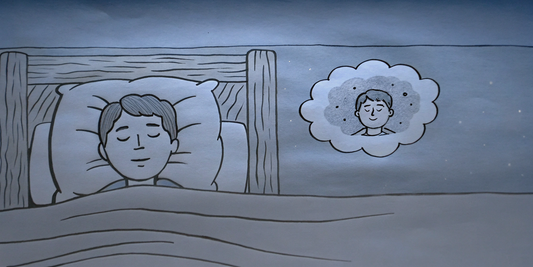
Lucid dreaming is a mesmerizing experience that occurs when we become aware that we are dreaming while still in the dream state. This unique awareness opens the door to incredible possibilities, allowing us to explore our subconscious mind and experience scenarios that defy the laws of physics. Imagine soaring through the skies, meeting your favorite fictional characters, or even confronting and overcoming your deepest fears—all within the confines of your own mind.
So, why is moving in lucid dreams often a challenge? The answer lies in the intricacies of our brain and body connections during sleep. The sensation of being unable to move can be disheartening, especially for those yearning to fully explore their dream landscapes.
But fear not! Our guide, "Second Life," is designed to address these very challenges, providing you with the tools and techniques necessary to overcome the limitations of movement within your dreams.
Understanding the Challenges of Movement in Lucid Dreams
There are several reasons why moving in lucid dreams can feel difficult or constrained. One of the primary factors is the disconnect between our physical body and our dream state. When we sleep, our brain sends signals to our muscles, effectively paralyzing them to prevent us from acting out our dreams physically. This is known as REM atonia, a natural physiological response during rapid eye movement (REM) sleep.
Another factor is the mental block that many experience when trying to assert control over their dream bodies. This can stem from anxiety, fear, or simply a lack of practice in asserting control in the dream state. It can be frustrating to realize that you have the power to influence your dreams, yet feel held back by these physical and mental barriers.
This is where "Second Life: A Beginner's Guide to Lucid Dreaming" comes into play. Our guide is specifically designed to help you navigate these common obstacles, providing step-by-step techniques to develop your dream control and movement capabilities.
Techniques for Enhancing Movement in Lucid Dreams
- Reality Testing: One of the foundational techniques we emphasize in our guide is reality testing. This practice involves questioning your reality throughout the day. By developing the habit of checking whether you are dreaming, you can create a mental framework that carries over into your dream state, making it easier to realize when you are dreaming and to assert control.
- Visualization: Before sleep, visualize yourself moving freely in your dreams. Picture yourself running, flying, or interacting with dream characters. This mental rehearsal can help reinforce the belief that you can move freely in your dreams.
- Setting Intentions: Our guide teaches the importance of setting clear intentions before sleep. By telling yourself, “I will move freely in my dreams,” you create a mental roadmap that can enhance your ability to control movement in the dream world.
- Gradual Progression: Start with small, simple movements within your dreams, such as walking or waving. As you gain confidence, you can gradually attempt more complex actions, like flying or manipulating objects.
- Anchor Technique: We also explore the anchor technique in "Second Life." This method involves focusing on a physical sensation in your waking life, such as the feeling of your bed or the weight of your blankets. When you enter the dream state, reconnecting with this anchor can help ground you and facilitate movement.
Each of these techniques is thoroughly explained in our guide, with detailed exercises and examples to ensure you can implement them effectively. Mastering these skills will not only answer the question of whether you can move in lucid dreams—it will empower you to do so with confidence and ease.
The Transformative Benefits of Lucid Dreaming
Beyond the thrill of exploring fantastical dreamscapes, lucid dreaming offers numerous benefits that can enhance our waking lives. Here are just a few:
- Enhanced Creativity: Lucid dreaming provides a safe space to explore creative ideas and solutions without the constraints of reality. Many artists and innovators have utilized their dreams to inspire their work.
- Overcoming Fears: Facing fears in a controlled dream environment can help diminish anxiety and phobias in waking life. By confronting what scares us in our dreams, we can build resilience and confidence.
- Improved Problem Solving: The unique perspective offered in dreams can lead to innovative solutions to real-world problems. Many have reported breakthroughs in their work or personal lives stemming from insights gained during lucid dreams.
- Therapeutic Benefits: Lucid dreaming has been utilized in therapy to address issues like PTSD, anxiety, and recurring nightmares. The ability to control a dream narrative can empower individuals to process traumatic experiences.
- Personal Growth: Engaging in lucid dreaming encourages self-reflection and introspection, leading to personal growth and a deeper understanding of oneself.
Our guide, "Second Life," delves deep into each of these benefits, providing actionable steps to harness the power of lucid dreaming for personal development.
The Science Behind Lucid Dreaming
Understanding the scientific foundation of lucid dreaming can empower us further in our exploration. Recent research in neuroscience and psychology has shed light on the mechanisms that make lucid dreaming possible.
Studies suggest that lucid dreaming occurs during REM sleep when our brain is highly active, similar to wakefulness. This activity allows for higher levels of cognitive function, including self-awareness and decision-making. The prefrontal cortex, associated with self-reflection and complex thought, is particularly active during these dreams.
Research has also indicated that individuals who frequently engage in lucid dreaming often have heightened metacognitive abilities, which means they possess a better awareness of their own thought processes. This increased cognitive function can lead to not only more frequent lucid dreams but also greater control over them.
In "Second Life," we provide insights into the latest research findings and explain how they can be applied to your lucid dreaming practice. Our guide serves as a bridge between scientific understanding and practical application, making the transformative power of lucid dreaming accessible to everyone.
Overcoming Common Frustrations in Lucid Dreaming
Despite the excitement surrounding lucid dreaming, many encounter common frustrations that can impede their progress. Here are some typical challenges and how "Second Life" equips you to overcome them:
- Difficulty Recognizing Dreams: Many beginners struggle to realize when they are dreaming. Our guide offers practical tips for enhancing dream recall and recognition, ensuring that you can identify those precious lucid moments.
- Inability to Control Dreams: Feeling powerless in a dream can be disheartening. We provide step-by-step strategies to build your confidence and skill in asserting control over your dream environment.
- Short Dream Duration: Lucid dreams can sometimes feel fleeting. Our guide includes techniques to prolong your lucid experiences, ensuring you have ample time to explore and enjoy your dreams.
- Fear and Anxiety: Many individuals experience anxiety when they realize they are dreaming, leading to premature awakening. We address these concerns head-on, offering mindfulness techniques to help you remain calm and centered during your lucid adventures.
- Lack of Motivation: It's common to feel unmotivated or unsure of where to start. "Second Life" is designed to ignite your curiosity and passion for lucid dreaming, providing a structured path to follow.
By addressing these challenges, we ensure that you are not just learning about lucid dreaming but actively mastering it. Our guide is your essential companion on this journey.
Conclusion: Your Journey Begins Now
The journey into the world of lucid dreaming is filled with wonders, challenges, and immense potential for personal growth. While we’ve only scratched the surface of what is possible in this blog post, we hope you understand that the true mastery of lucid dreaming awaits you.
Our guide, "Second Life: A Beginner's Guide to Lucid Dreaming," is more than just a collection of techniques; it is the key to unlocking your dream potential. By overcoming the barriers of movement in your dreams and enhancing your overall lucid dreaming experience, you will tap into a wellspring of creativity, empowerment, and self-discovery.
Don’t let the fear of missing out hold you back any longer. The experiences, insights, and personal transformations that await you are just a purchase away.
FAQ
1. What is lucid dreaming? Lucid dreaming is the state of awareness during a dream where the dreamer realizes they are dreaming and can often exert control over the dream narrative and environment.
2. Can I really move freely in lucid dreams? While many beginners struggle with movement in their dreams, our guide provides techniques to enhance movement and control, allowing you to experience the full freedom of the dream world.
3. How can "Second Life" help me with lucid dreaming? Our guide is designed to provide you with a structured, easy-to-follow framework that addresses common challenges and teaches effective techniques for mastering lucid dreaming.
4. Are there any benefits to lucid dreaming? Yes! Lucid dreaming can enhance creativity, help overcome fears, improve problem-solving skills, and even serve therapeutic purposes for conditions like PTSD and anxiety.
5. Is lucid dreaming safe? Lucid dreaming is generally considered safe for most individuals. However, if you have a history of sleep disorders or psychological issues, it’s advisable to consult with a healthcare professional before engaging in lucid dreaming practices.
Embark on your journey today, and let "Second Life" be your guiding light in the vast and transformative world of lucid dreaming. Purchase your copy now!