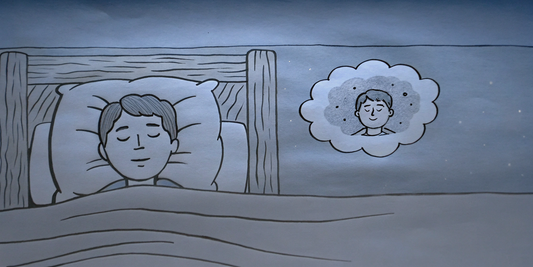

Can You Feel in a Lucid Dream? Exploring the Sensations of Lucid Dreaming
Share
Table of Contents
- Introduction
- The Sensory Experience of Lucid Dreaming
- The Science Behind Lucid Dreaming
- Techniques for Inducing Lucid Dreams
- The Potential of Lucid Dreaming for Personal Growth
- Conclusion: Start Your Journey Today
- FAQ
Introduction
Did you know that approximately 50% of people have experienced lucid dreaming at least once in their lives? Yet, despite its prevalence, many of us may still wonder, can you feel in a lucid dream? This question is not just about physical sensations; it encompasses a rich tapestry of emotional and cognitive experiences that can transform our understanding of consciousness. The potential of lucid dreaming is immense, acting as a gateway to self-discovery, creativity, and even therapeutic benefits.
At Trevania, we recognize that the journey into the world of lucid dreaming can often be frustrating and overwhelming for beginners. However, we have crafted a solution that simplifies this complex process and unlocks the full potential of your dream life. Enter "Second Life: A Beginner's Guide to Lucid Dreaming." This guide is your essential roadmap to mastering the art of lucid dreaming, providing you with the tools, techniques, and knowledge necessary to explore your subconscious like never before.
Throughout this blog post, we will delve into the fascinating world of lucid dreaming, exploring the sensations one can experience within these vivid dreams. We will also illustrate how our guide serves as the definitive resource for anyone serious about mastering this skill. By the end of this article, you will understand not only the sensations of lucid dreaming but also the critical role our guide plays in making these experiences accessible to you.
The Sensory Experience of Lucid Dreaming
When we talk about sensations in lucid dreams, we are exploring a unique domain where the boundaries of reality blur. People often describe lucid dreams as profoundly vivid and immersive. But what does that really mean?
Physical Sensations
In a lucid dream, it is entirely possible to experience sensations that rival those of waking life. Imagine the feeling of cool grass under your feet or the warmth of sunlight on your skin. These experiences can be incredibly lifelike, often enhanced by the heightened awareness that comes with lucidity.
However, many beginners struggle to tap into these sensations. They may find themselves wondering why their dreams feel dull or unengaging. This is where "Second Life: A Beginner's Guide to Lucid Dreaming" becomes invaluable. Our guide offers step-by-step techniques designed to amplify your sensory experiences within dreams. Through our structured methods, you will learn how to engage more fully with your dream environment, making every sensation feel real and exhilarating.
Emotional Amplification
Lucid dreams are not just about physical sensations; they are also rich in emotional experiences. The feelings you encounter can range from joy and exhilaration to fear and anxiety. For example, many dreamers report feeling an overwhelming sense of freedom while flying, a sensation that can be both liberating and euphoric.
Conversely, if you encounter a nightmare, the emotional intensity can be daunting. Many beginners may shy away from confronting their fears in dreams, leading to missed opportunities for personal growth. Fortunately, our guide provides strategies to navigate these emotional landscapes safely. We teach you how to face your fears within the dream state, transforming potentially distressing experiences into empowering ones.
Cognitive Awareness
The cognitive aspect of lucid dreaming is equally compelling. In a lucid dream, you can engage in higher-order thinking, problem-solving, and even creative exploration. However, the challenge for many beginners is accessing this level of cognitive awareness.
Our guide offers specific techniques that enhance your cognitive abilities in the dream state. By practicing reality checks and setting intentions before sleep, you will cultivate the mental clarity required to navigate and manipulate your dreams effectively. Imagine being able to solve complex problems or tap into your creative potential while dreaming—this is not just a fantasy; it can be your reality with the help of "Second Life."
Summary and Call to Action
In summary, the sensations of lucid dreaming encompass an incredible range of physical, emotional, and cognitive experiences. However, without the right guidance, many beginners miss out on the full spectrum of these sensations. "Second Life: A Beginner's Guide to Lucid Dreaming" is specifically designed to bridge this gap, offering you the tools to enhance your dream experiences. Don't miss your chance to unlock the full potential of your dream life; get your guide today and start your journey toward mastery.
The Science Behind Lucid Dreaming
Understanding the science of lucid dreaming can deepen our appreciation for the experience itself. Research in neuroscience and psychology reveals fascinating insights into how and why we dream.
The Brain During Lucid Dreaming
Studies suggest that during lucid dreaming, certain areas of the brain—namely the prefrontal cortex—exhibit heightened activity. This area is associated with self-reflection, decision-making, and complex thought processes. In essence, when you lucid dream, your brain is operating at a level of awareness that is closer to wakefulness than to regular dreaming.
However, many beginners may not know how to tap into this brain activity effectively. This is where "Second Life: A Beginner's Guide to Lucid Dreaming" shines. We provide scientifically-backed techniques that enhance your cognitive function in the dream state, enabling you to harness this unique brain activity for a richer dreaming experience.
Therapeutic Benefits
Lucid dreaming has been shown to have therapeutic benefits, particularly for those dealing with anxiety, PTSD, or recurring nightmares. Research indicates that individuals who can control their dreams may experience significant reductions in anxiety and stress levels.
Yet, many newcomers might feel overwhelmed by the prospect of using lucid dreaming for therapeutic purposes. Our guide demystifies this process, offering practical exercises and strategies that will empower you to confront and manage your fears within the dream world. The therapeutic potential of lucid dreaming can be life-changing, and we are here to help you unlock it.
Summary and Call to Action
By understanding the science behind lucid dreaming, we can appreciate the depth and richness of these experiences. However, knowledge alone is not enough. To truly benefit from this understanding, practical application is essential. Let "Second Life: A Beginner's Guide to Lucid Dreaming" be your trusted companion on this journey. Purchase your guide now and begin exploring the therapeutic power of your dreams today.
Techniques for Inducing Lucid Dreams
While the concept of lucid dreaming is fascinating, many individuals struggle with the practical aspects of inducing these dreams. Fortunately, several proven techniques can help you achieve lucidity during sleep.
Reality Testing
Reality testing is a popular technique where you regularly ask yourself whether you are dreaming throughout the day. This practice trains your mind to recognize when you are in a dream state. However, many beginners might forget to perform these checks, leading to missed opportunities for lucidity.
In "Second Life," we provide a comprehensive guide to effective reality testing techniques. Our structured approach ensures that you will not only remember to check your reality but will also enhance your likelihood of achieving lucidity.
Mnemonic Induction of Lucid Dreams (MILD)
The MILD technique involves waking up after several hours of sleep and repeating a phrase to yourself, such as “Tonight, I will realize I am dreaming.” This technique leverages prospective memory to trigger lucidity.
Unfortunately, many beginners find it challenging to execute MILD effectively. Our guide breaks down this technique into manageable steps, making it easier for you to implement it successfully. You will learn how to set intentions and remember your dreams, increasing your chances of experiencing lucidity.
Wake Back to Bed (WBTB)
The WBTB technique involves waking up after approximately five hours of sleep, staying awake briefly, and then returning to sleep with the intention of becoming lucid. This method is highly effective for many dreamers but can be daunting for those who struggle with sleep interruptions.
"Second Life" simplifies the WBTB process by offering tips on how to minimize disruptions and maximize your chances of entering a lucid dream state. With our guidance, you will navigate this technique with confidence, paving the way for richer dream experiences.
Summary and Call to Action
Inducing lucid dreams can seem like a daunting task, especially for beginners. However, with the right techniques and guidance, you can make this journey much smoother. "Second Life: A Beginner's Guide to Lucid Dreaming" provides you with all the necessary tools to master these techniques effectively. Don’t wait any longer; get your guide today and start your journey toward lucid dreaming mastery.
The Potential of Lucid Dreaming for Personal Growth
Lucid dreaming is not just about exploration; it is also a powerful tool for personal growth. Through our dreams, we can confront fears, enhance creativity, and achieve self-discovery in profound ways.
Overcoming Fears and Phobias
Many individuals use lucid dreaming as a means to confront fears and phobias in a safe environment. For example, if someone has a fear of public speaking, they can practice their speech in a dream without the anxiety that accompanies it in real life.
However, beginners might feel hesitant to confront their fears in this manner. Our guide offers tailored strategies that help you approach these challenges with confidence. By providing a safe framework for exploration, "Second Life" empowers you to face your fears head-on, facilitating personal growth in ways you never thought possible.
Enhancing Creativity
Lucid dreaming can also be a wellspring of creativity. Many artists, writers, and musicians have tapped into their dreams for inspiration. The freedom of the dream world allows for unique problem-solving and creative expression that can be translated into waking life.
Yet, without the right guidance, many individuals may struggle to harness this creative potential. Our guide offers techniques specifically designed to stimulate creativity in your dreams, helping you to unlock a new realm of artistic inspiration.
Self-Discovery and Reflection
Lucid dreams can serve as a platform for deep self-reflection and discovery. In the dream state, you can explore your subconscious mind, confront unresolved issues, and gain insights that can lead to powerful transformations in waking life.
However, beginners often lack the tools to effectively utilize their dreams for self-discovery. "Second Life" provides a structured approach to exploring your inner world, equipping you with the skills needed for meaningful insights and personal transformation.
Summary and Call to Action
The potential of lucid dreaming for personal growth is immense, yet many beginners may not know how to harness this potential effectively. "Second Life: A Beginner's Guide to Lucid Dreaming" serves as your essential toolkit for overcoming fears, enhancing creativity, and fostering self-discovery. Don’t miss this opportunity for growth; purchase your guide now and start your transformative journey today.
Conclusion: Start Your Journey Today
As we have explored throughout this article, the world of lucid dreaming is rich with sensory experiences, emotional depth, and cognitive insights. The ability to feel in a lucid dream is not just an intriguing question; it opens up a world of possibilities for personal growth, creativity, and self-discovery.
However, the journey into this fascinating realm is not without its challenges. Many beginners struggle to access the full potential of their dreams, often feeling lost and overwhelmed. This is precisely why we created "Second Life: A Beginner's Guide to Lucid Dreaming." Our guide is designed to simplify the process, offering clear, actionable steps that will empower you to master the art of lucid dreaming.
Imagine waking up each day feeling invigorated by the adventures you had in your dreams, equipped with new insights and creative inspiration. This transformative experience is not just a dream; it can be your reality. By investing in "Second Life," you are taking the first step toward unlocking the incredible potential of your subconscious mind.
Don’t let this opportunity pass you by. The journey of a thousand dreams begins with a single step. Get your guide today and embark on a path of discovery, empowerment, and transformation.
FAQ
1. What is lucid dreaming?
Lucid dreaming occurs when you become aware that you are dreaming while still in the dream state. This awareness allows you to potentially control aspects of the dream, leading to incredibly vivid and immersive experiences.
2. Can anyone learn to lucid dream?
Yes, with practice and the right techniques, most people can learn to lucid dream. "Second Life: A Beginner's Guide to Lucid Dreaming" provides structured techniques that make it accessible for beginners.
3. Is lucid dreaming safe?
Generally, lucid dreaming is considered safe for most individuals. However, it is essential to approach it with the right mindset and techniques, which is why our guide emphasizes safe practices.
4. How can I improve my chances of having a lucid dream?
Techniques such as reality testing, MILD, and WBTB can significantly enhance your chances of achieving lucidity. Our guide offers detailed instructions on how to implement these techniques effectively.
5. What are the benefits of lucid dreaming?
Lucid dreaming can offer numerous benefits, including overcoming fears, enhancing creativity, and providing opportunities for self-discovery. Our guide will help you harness these benefits for personal growth.
By addressing these common questions, we hope to alleviate any hesitations you may have about diving into the world of lucid dreaming. Remember, the journey begins with "Second Life: A Beginner's Guide to Lucid Dreaming." Purchase your guide today and unlock the full potential of your dreams!