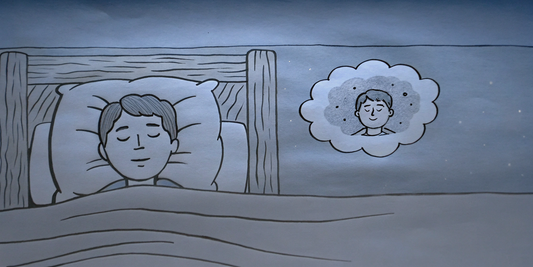

Can You Die in a Lucid Dream? Understanding the Perils and Possibilities of Lucid Dreaming
Share
Table of Contents
- Introduction
- What is Lucid Dreaming?
- The Science Behind Lucid Dreaming
- Can You Die in a Lucid Dream?
- The Psychological Implications of Dying in a Dream
- How to Control Your Dreams and Confront Death
- The Role of Mindfulness in Lucid Dreaming
- Conclusion: Embrace Your Dream Journey
- FAQ
Introduction
Each night, as we drift into the realm of dreams, we enter a world where the impossible becomes possible. We can soar through the skies, explore distant galaxies, or confront our deepest fears. But what happens when we realize we are dreaming—when we become lucid? This fascinating state of consciousness opens up a plethora of experiences, yet it also brings with it a haunting question: Can you die in a lucid dream?
The potential of lucid dreaming is immense, touching on realms of personal growth, emotional healing, and even creative inspiration. Yet, many who embark on this journey often find themselves grappling with anxiety and uncertainty about the dream state. The fear of death, in particular, can loom large.
This blog post aims to clarify these fears and provide a roadmap for mastering lucid dreaming through "Second Life: A Beginner's Guide to Lucid Dreaming." This guide is our collective culmination of research, experience, and understanding, meticulously designed to help you navigate the complexities of lucid dreaming. Here, we will unpack the concept of dying in a lucid dream, and how our guide transforms this potentially frightening experience into an empowering adventure.
What is Lucid Dreaming?
Lucid dreaming occurs when we become aware that we are dreaming while still in the dream state. This unique awareness allows us to exert varying degrees of control over our dreams, creating a playground of possibilities. During a lucid dream, we can engage with our subconscious mind, explore our desires, and confront our fears in a safe environment.
However, this state is not always free from anxiety. Many beginners experience a sense of dread when they encounter situations in which they might die in a dream. They may wonder if such an event poses a real risk or merely reflects their fears. Here at Trevania, we understand these concerns deeply, as we have navigated them ourselves. This is why we created "Second Life: A Beginner's Guide to Lucid Dreaming." Our guide serves as the essential resource for transforming your fears into powerful insights and experiences.
Why It's Important to Understand Lucid Dreaming
Understanding lucid dreaming is crucial because it provides us with the tools to harness its potential. Research indicates that lucid dreaming can enhance creativity, improve problem-solving skills, and even help in overcoming nightmares. Yet, without a structured approach, many find themselves frustrated or overwhelmed.
"Second Life" is designed to address these challenges head-on, providing a clear roadmap for beginners. It empowers you to take control of your dream experiences, fostering an environment where you can explore the depths of your consciousness without fear.
The Science Behind Lucid Dreaming
Lucid dreaming is not merely a whimsical fantasy; it is grounded in scientific research. Studies have shown that during lucid dreams, areas of the brain associated with self-awareness and decision-making become active. This phenomenon highlights the complex interplay between consciousness and the dream state, suggesting that we have the capacity to influence our dreams significantly.
Research has also demonstrated that lucid dreaming can improve emotional regulation. By confronting fears and anxieties within dreams, we can reduce their impact on our waking lives. However, learning to enter this state effectively requires practice and guidance—a need that our guide directly addresses.
How "Second Life" Makes Lucid Dreaming Accessible
In "Second Life: A Beginner's Guide to Lucid Dreaming," we distill the latest scientific insights into practical techniques that anyone can use. From understanding the various stages of sleep to mastering induction techniques like the MILD (Mnemonic Induction of Lucid Dreams) and WILD (Wake Initiated Lucid Dreaming), our guide equips you with the knowledge necessary to navigate the dream landscape confidently.
Call to Action
Don’t let uncertainty hold you back! Discover the science of lucid dreaming and unlock your potential with "Second Life: A Beginner's Guide to Lucid Dreaming." Explore the guide here.
Can You Die in a Lucid Dream?
The question of whether you can die in a lucid dream often evokes fear. The reality is that while you may experience death within a dream, it does not translate to real-life consequences. Dying in a dream generally leads to awakening rather than physical harm. This physiological response is often triggered by an intense emotional experience, such as fear or panic.
Understanding the Experience of Dying in a Dream
When encountering death in a lucid dream, many report feelings of terror or confusion. However, these experiences can also serve as powerful opportunities for introspection. Accepting and understanding death in dreams can lead to profound personal insights, including confronting fears of mortality and transformation.
"Second Life" teaches you how to navigate these intense experiences, turning fear into empowerment. By understanding the mechanics of your dreams, you can learn to embrace and even manipulate these situations, transforming potential nightmares into avenues for growth.
Call to Action
Are you ready to face your fears and transform your dreams? Grab your copy of "Second Life: A Beginner's Guide to Lucid Dreaming" and learn how to harness the power of your subconscious. Get started now!
The Psychological Implications of Dying in a Dream
While dying in a lucid dream itself poses no real danger, the psychological implications of such experiences can be significant. For some, the fear of death in a dream may symbolize unresolved issues or anxieties in waking life. Engaging with these themes can facilitate emotional healing and personal growth.
The Therapeutic Benefits of Lucid Dreaming
Lucid dreaming has been utilized in therapeutic settings to help individuals confront and process traumatic experiences. It can aid in reducing the frequency of nightmares and alleviating symptoms of anxiety and depression. By practicing lucid dreaming, individuals can gain new perspectives on their fears, leading to a greater sense of peace and acceptance.
Our guide, "Second Life," incorporates techniques specifically designed to leverage these therapeutic benefits. We provide a framework for exploring your subconscious, allowing you to confront fears in a safe environment.
Call to Action
Don’t let fear dictate your dream experiences! Empower yourself to confront and overcome your anxieties with "Second Life: A Beginner's Guide to Lucid Dreaming." Start your journey today!
How to Control Your Dreams and Confront Death
One of the most powerful aspects of lucid dreaming is the ability to control the narrative of your dreams. This control allows you to face and conquer fears, including the fear of death.
Techniques to Achieve Control
In "Second Life," we cover various techniques that help you gain control over your dreams. Here are a few key methods:
- Reality Checks: Regularly perform reality checks throughout your day to build the habit of questioning your reality, making it easier to recognize when you are dreaming.
- Dream Journaling: Keeping a dream journal helps improve dream recall and aids in recognizing patterns in your dreams, ultimately leading to more frequent lucid experiences.
- Visualization Techniques: Before sleeping, visualize your desired dream scenario, including how you would handle a situation involving death. This prepares your mind for the dream landscape.
By practicing these techniques, you can cultivate the skills needed to navigate your dreams confidently and fluidly, transforming fear into empowerment.
Call to Action
Ready to take control of your dream experiences? Dive deeper into these techniques with "Second Life: A Beginner's Guide to Lucid Dreaming." Unlock your potential here.
The Role of Mindfulness in Lucid Dreaming
Mindfulness plays a critical role in enhancing the lucid dreaming experience. By cultivating awareness and presence in waking life, we can increase our chances of achieving lucidity while dreaming.
Incorporating Mindfulness Practices
In "Second Life," we emphasize the importance of mindfulness techniques, such as meditation and breathwork, to ground yourself. These practices not only enhance your overall well-being but also improve your dream recall and lucidity.
- Meditation: Regular meditation helps increase self-awareness, making it easier to recognize when you are in a dream state.
- Breath Awareness: Focused breathwork can calm the mind and enhance clarity, creating a conducive environment for lucid dreaming.
By integrating these mindfulness practices, you can enhance your dream experiences and approach potential fears, including those surrounding death, with a sense of calm and control.
Call to Action
Enhance your mindfulness and transform your dream experiences with "Second Life: A Beginner's Guide to Lucid Dreaming." Get your guide today!
Conclusion: Embrace Your Dream Journey
As we navigate the intricacies of lucid dreaming, we are reminded that the journey is as important as the destination. Understanding the dynamics of dying in a lucid dream can turn fear into an opportunity for growth and self-discovery. Our guide, "Second Life: A Beginner's Guide to Lucid Dreaming," is your essential tool for navigating this complex landscape with confidence and clarity.
Imagine what you could achieve by mastering the art of lucid dreaming. From overcoming fears to unlocking creative potential, the possibilities are limitless. By not taking this step today, you are delaying the transformative experiences that await you.
Final Call to Action
Don’t wait any longer! Start your journey into the extraordinary world of lucid dreaming with "Second Life: A Beginner's Guide to Lucid Dreaming." Explore the guide and unlock your potential now!
FAQ
Is it safe to lucid dream?
Yes, lucid dreaming is generally considered safe for most individuals. However, those with certain mental health conditions should consult with a professional before attempting to induce lucid dreams. Our guide provides insights on safe practices to ensure a positive experience.
Can I control my dreams with practice?
Absolutely! With techniques such as reality checks and dream journaling, you can significantly increase your ability to control your dreams. "Second Life" provides a comprehensive framework to help you achieve this.
What if I die in my dream?
Dying in a dream typically results in awakening, not real-life consequences. Understanding this can help alleviate fears. Our guide teaches you how to confront and navigate these experiences with ease.
How can lucid dreaming help me?
Lucid dreaming can enhance creativity, improve problem-solving skills, and help you confront fears. It also serves as a therapeutic tool for emotional healing. "Second Life" offers techniques to leverage these benefits effectively.
Where can I learn more about lucid dreaming?
For an in-depth exploration of lucid dreaming, including techniques, insights, and personal growth strategies, check out "Second Life: A Beginner's Guide to Lucid Dreaming." Start your journey today!
Embark on your lucid dreaming journey and unlock the transformative power of your subconscious mind with Trevania!