Can Visualization Reduce Stress as Effectively as Mindfulness Meditation?
Share
Table of Contents
- Introduction
- Understanding Visualization and Mindfulness Meditation
- The Mechanisms Behind Stress Reduction
- Scientific Evidence: Visualization vs. Mindfulness Meditation
- Incorporating Visualization and Mindfulness Meditation into Daily Life
- Conclusion
Introduction
Have you ever noticed how the simple act of picturing your ideal vacation can instantly lift your mood? This phenomenon isn’t just a fleeting fancy—it's a testament to the power of our minds. In recent years, as we navigate a world increasingly characterized by chaos and uncertainty, the quest for effective stress management techniques has never been more crucial. With stress-related ailments on the rise, the exploration of mental practices that alleviate anxiety has gained significant traction.
In our journey at Trevania, we have witnessed firsthand the transformative potential of both visualization and mindfulness meditation. Both practices offer profound avenues for personal growth and empowerment. But the pressing question remains: Can visualization reduce stress as effectively as mindfulness meditation?
In this blog post, we will delve into the intricacies of both visualization and mindfulness meditation, exploring their mechanisms, benefits, and the scientific evidence supporting their effectiveness in stress reduction. By the end of this exploration, we aim to provide clarity on how these techniques can enhance our well-being, offering actionable insights that can be integrated into our daily lives.
We will begin by defining visualization and mindfulness meditation, followed by an examination of their individual benefits. Then, we will analyze and compare the scientific studies that illuminate their effects on stress. Finally, we will discuss how to incorporate these practices into our lives for optimal stress management. Together, we’ll embark on a journey of understanding how to harness the power of our minds for a more peaceful existence.
Understanding Visualization and Mindfulness Meditation
What is Visualization?
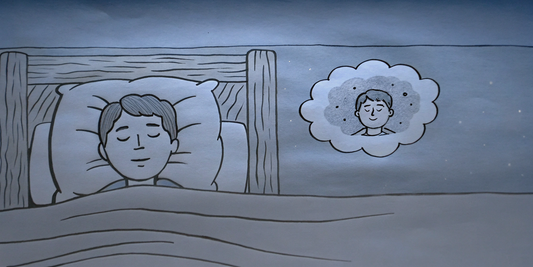
Visualization, often referred to as guided imagery or mental imagery, involves creating vivid mental images to evoke sensory experiences. It can be as simple as imagining a peaceful landscape or as complex as visualizing oneself succeeding at a particular task. This technique taps into our brain's ability to simulate experiences, leading to real emotional and physical responses.
Key Elements of Visualization:
- Imagery Creation: The act of forming mental pictures or scenarios.
- Senses Engagement: Activating multiple senses to enhance the realism of the images—sight, sound, smell, and touch.
- Emotional Connection: Linking the imagery to positive feelings or outcomes.
Research indicates that visualization can significantly impact various aspects of our mental health, from boosting self-confidence to reducing stress. This practice is widely utilized in sports psychology, therapy, and personal development.
What is Mindfulness Meditation?
Mindfulness meditation, on the other hand, is rooted in ancient spiritual practices, particularly Buddhism. It involves paying attention to the present moment with a non-judgmental attitude. By focusing on our breath, bodily sensations, or thoughts, we cultivate awareness and acceptance, fostering a deeper connection with ourselves.
Key Components of Mindfulness Meditation:
- Present Moment Awareness: Focusing attention on the here and now.
- Non-Judgmental Attitude: Observing thoughts and feelings without labeling them as good or bad.
- Acceptance: Embracing experiences as they come, without resistance.
Mindfulness meditation has been extensively studied for its mental health benefits, particularly its effectiveness in reducing anxiety and stress.
Comparing Visualization and Mindfulness Meditation
Although both practices aim to promote relaxation and reduce stress, they differ in their approach and mechanisms. Visualization actively engages the imagination to create desired outcomes, while mindfulness meditation emphasizes accepting the present moment without alteration.
The Mechanisms Behind Stress Reduction
How Visualization Reduces Stress
Visualization can reduce stress through several mechanisms:
- Mental Rehearsal: By mentally rehearsing positive outcomes, we can reduce anxiety related to future events. This technique is often employed by athletes to enhance performance and mitigate fear.
- Emotional Regulation: Creating positive imagery can foster feelings of joy and calm, which counteracts stress responses. Visualizing a safe space, for instance, can elicit relaxation and a sense of security.
- Neuroplasticity: Visualization has been shown to influence brain pathways and promote neuroplasticity, helping us create new, positive thought patterns that overshadow stress-inducing ones.
How Mindfulness Meditation Reduces Stress
Mindfulness meditation works through different, yet equally powerful, pathways:
- Cortisol Reduction: Studies have demonstrated that regular mindfulness practice can lower cortisol levels, the primary stress hormone, thereby reducing the physical symptoms of stress.
- Increased Emotional Resilience: Mindfulness encourages a non-reactive stance towards thoughts and emotions, fostering resilience and reducing the impact of stressors.
- Enhanced Focus: By training the mind to concentrate on the present, mindfulness can diminish rumination and worry, which are common stress contributors.
Scientific Evidence: Visualization vs. Mindfulness Meditation
To understand whether visualization can reduce stress as effectively as mindfulness meditation, we turn to the research. Numerous studies have compared these practices, often focusing on their effects on anxiety levels and overall well-being.
Visualization Research Findings
- A study published in the Journal of Consulting and Clinical Psychology found that participants who engaged in visualization techniques experienced significant reductions in anxiety compared to control groups. These results suggest that guided imagery can be a powerful tool for managing stress.
- Another research study highlighted the effectiveness of visualization in sports, finding that athletes who practiced mental imagery reported lower levels of pre-competition anxiety and improved performance.
Mindfulness Meditation Research Findings
- In a comprehensive review of mindfulness meditation studies, researchers concluded that mindfulness significantly reduces anxiety and stress levels, contributing to improved mental health outcomes. One meta-analysis indicated that mindfulness practices were associated with moderate to large effects on anxiety reduction.
- A randomized controlled trial demonstrated that participants who engaged in an eight-week mindfulness program showed marked reductions in stress and anxiety, alongside improvements in overall psychological health.
Comparative Studies
While research on direct comparisons between visualization and mindfulness meditation is limited, some studies have explored their effects concurrently. A study investigating the efficacy of both techniques found that participants who practiced either method reported similar reductions in stress levels, although the mechanisms behind each practice varied. This suggests that both practices can be effective tools in our stress management arsenal.
Incorporating Visualization and Mindfulness Meditation into Daily Life
Practical Visualization Techniques
- Guided Imagery Sessions: Use audio recordings or apps that guide you through visualization exercises to create a calming environment.
- Vision Boards: Create a physical or digital collage of images that represent your goals and aspirations, reinforcing positive outcomes.
- Daily Visualization Practice: Dedicate a few minutes each day to visualize a desired outcome, whether it's a successful presentation or a peaceful day at the beach.
Practical Mindfulness Meditation Techniques
- Breath Awareness: Focus on your breath for a few minutes, noticing the inhalation and exhalation without trying to change it.
- Body Scan: Lie down comfortably and mentally scan your body from head to toe, observing any sensations without judgment.
- Mindful Walking: Take a walk and concentrate on each step, the feeling of the ground beneath your feet, and the sounds around you.
Conclusion
As we navigate the complexities of modern life, finding effective ways to manage stress is paramount. Both visualization and mindfulness meditation offer unique approaches to fostering relaxation and emotional well-being. While visualization engages our imagination to create positive outcomes, mindfulness meditation cultivates present-moment awareness and acceptance.
Ultimately, the choice between these practices may depend on personal preference and individual circumstances. We encourage you to explore both techniques, integrating them into your daily routine to discover what resonates most with you. By harnessing the power of our minds, we can cultivate a more peaceful and empowered existence, paving the way for personal transformation and growth.
FAQ
Can visualization really reduce stress?
Yes, visualization can effectively reduce stress by engaging the mind in positive imagery, which promotes relaxation and emotional regulation.
How long should I practice visualization or mindfulness meditation for it to be effective?
Even short sessions of 5-10 minutes can be beneficial. The key is consistency—practicing regularly can yield the best results.
Can I combine visualization and mindfulness meditation?
Absolutely! Many individuals find that combining both techniques enhances their overall stress management strategy, allowing for a more holistic approach to well-being.
Are there any risks associated with these practices?
Generally, both visualization and mindfulness meditation are considered safe. However, individuals with certain mental health conditions may want to consult a professional before beginning any new practice.
How can I get started with either practice?
Numerous resources, including apps, guided recordings, and books, are available to help you begin your journey in visualization and mindfulness meditation. At Trevania, we provide a range of guides that can support you in your exploration of these transformative practices.
By embracing these techniques, we can unlock new realms of self-discovery and empowerment, fostering a deeper understanding of our consciousness and potential.