
Can Lucid Dreaming Cause Sleep Paralysis? Exploring the Connection and Mastering Your Dream Life
Share
Table of Contents
- Introduction
- Understanding Sleep Paralysis and Lucid Dreaming
- The Connection Between Lucid Dreaming and Sleep Paralysis
- Techniques for Inducing Lucid Dreams
- The Transformative Benefits of Lucid Dreaming
- The Science Behind Lucid Dreaming
- Common Misconceptions About Lucid Dreaming
- Conclusion: Your Journey Awaits
- Frequently Asked Questions (FAQ)
Introduction
Have you ever woken up, paralyzed and terrified, unable to move or speak, while feeling a presence looming over you? This unnerving experience, known as sleep paralysis, is something many people encounter, often leaving them shaken and confused. The intriguing question arises: can lucid dreaming cause sleep paralysis? Understanding this connection is vital for anyone venturing into the realm of lucid dreaming, a practice that promises profound personal exploration and growth.
Lucid dreaming is not merely a whimsical notion; it represents a profound, untapped potential within our consciousness. It offers the ability to explore alternate realities, confront fears, and tap into our creative reservoirs—all while we sleep. Yet, many aspiring lucid dreamers face challenges that can make the journey feel daunting. That’s where our flagship guide, "Second Life: A Beginner's Guide to Lucid Dreaming," comes into play.
In this blog post, we will delve into the intricate relationship between lucid dreaming and sleep paralysis, shedding light on common misconceptions and providing you with the tools to master your dream life. While the concepts are powerful, their practical application is truly unlocked through our comprehensive guide. We invite you to explore how "Second Life" can transform your journey into lucid dreaming, guiding you safely through the potential pitfalls and enhancing your experiences.
Understanding Sleep Paralysis and Lucid Dreaming
What Is Sleep Paralysis?
Sleep paralysis is a phenomenon that occurs during the transition between wakefulness and sleep, characterized by an inability to move or speak. It can happen when falling asleep or waking up, leaving individuals in a state of heightened awareness but unable to control their bodies. Often, this experience is accompanied by vivid hallucinations and a sense of dread, leading many to question their reality.
Research indicates that sleep paralysis is closely linked to disruptions in sleep patterns, stress, and sleep deprivation. Interestingly, the connection between sleep paralysis and lucid dreaming has been a topic of discussion in recent studies, which suggest that individuals who practice lucid dreaming may be more likely to experience sleep paralysis.
The Lucid Dreaming Experience
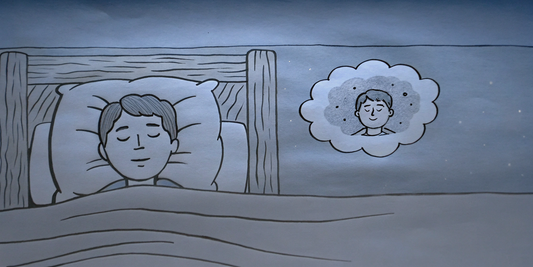
Lucid dreaming occurs when a dreamer becomes aware that they are dreaming and can, to varying degrees, control the dream's content. This unique state offers an incredible opportunity for self-exploration, creativity, and even therapeutic benefits such as addressing recurring nightmares.
However, aspiring lucid dreamers often encounter difficulties, including the fear of experiencing sleep paralysis. This fear can create a mental barrier, preventing individuals from fully embracing the potential of lucid dreaming.
The Connection Between Lucid Dreaming and Sleep Paralysis
Can Lucid Dreaming Cause Sleep Paralysis?
The direct answer is: it depends. While lucid dreaming itself does not inherently cause sleep paralysis, the techniques used to induce lucid dreams can sometimes result in experiencing sleep paralysis. For example, methods such as the Wake-Back-to-Bed (WBTB) technique, which involves waking up after several hours of sleep and then returning to bed with the intention of lucid dreaming, can inadvertently trigger sleep paralysis episodes.
When we engage in practices that disrupt our natural sleep cycle, we may increase the likelihood of experiencing sleep disturbances, including sleep paralysis. However, understanding this connection allows us to navigate the landscape of lucid dreaming more effectively.
Addressing the Fear
Fear of sleep paralysis can hinder our ability to explore lucid dreaming. It’s essential to understand that while sleep paralysis can be a frightening experience, it is ultimately harmless. In fact, many seasoned lucid dreamers embrace sleep paralysis as a gateway to the lucid dream state. By reframing our perceptions and understanding what sleep paralysis entails, we can learn to view it as a stepping stone rather than a stumbling block.
"Second Life: A Beginner's Guide to Lucid Dreaming" equips you with the knowledge and techniques to navigate these experiences confidently. Our guide offers a comprehensive framework for understanding sleep paralysis and lucid dreaming, empowering you to harness these phenomena rather than fear them.
Techniques for Inducing Lucid Dreams
Overview of Effective Techniques
Several techniques can help you induce lucid dreams, each with its own merits and challenges. The most prominent methods include:
- Mnemonic Induction of Lucid Dreams (MILD): This technique involves waking up after several hours of sleep and repeating a mantra, such as "Next time I'm dreaming, I will remember I'm dreaming," before returning to sleep.
- Wake-Back-to-Bed (WBTB): As mentioned earlier, this method involves waking up in the night, staying awake briefly, and then returning to sleep with the intention of experiencing a lucid dream.
- Reality Checks: Regularly questioning your reality throughout the day helps increase awareness and can trigger lucidity in dreams.
- Wake-Initiated Lucid Dreaming (WILD): This advanced technique involves maintaining consciousness while your body falls asleep, leading directly into a lucid dream state.
While these methods can be effective, they also come with the potential risk of sleep paralysis, especially if not executed carefully. This is where "Second Life: A Beginner's Guide to Lucid Dreaming" becomes invaluable, as it provides detailed, step-by-step instructions for each technique along with strategies to mitigate the risks associated with sleep paralysis.
The Role of Our Guide
"Second Life" acts as your essential roadmap, guiding you through each technique while addressing common pitfalls and fears. By following our structured approach, you can confidently navigate the challenges of lucid dreaming, ensuring a more enriching experience without the anxiety that often accompanies sleep paralysis.
The Transformative Benefits of Lucid Dreaming
Unlocking Your Creative Potential
Lucid dreaming is not just an escape from reality; it can also be a powerful tool for personal growth and creativity. Many artists, writers, and innovators have reported using lucid dreams to solve problems, generate ideas, and break through creative blocks.
By practicing lucid dreaming, we can tap into the depths of our subconscious, accessing insights and inspiration that may elude us in our waking life. However, without the proper guidance, many individuals struggle to reach this level of creativity and exploration.
"Second Life: A Beginner's Guide to Lucid Dreaming" is designed to help you unlock this potential. Our guide provides techniques specifically tailored to enhance creativity through lucid dreaming, ensuring that you can harness the full power of your dreams.
Overcoming Nightmares and Fears
For those who experience frequent nightmares or night terrors, lucid dreaming can be a transformative experience. By becoming aware of the dream state, we can confront and change the narrative of our nightmares, empowering ourselves to face our fears head-on.
However, many individuals avoid attempting lucid dreaming due to fear of sleep paralysis, which can be associated with nightmares. By understanding the connection and learning how to manage these experiences, you can reclaim your nights and transform fearful dreams into opportunities for growth.
Our guide offers specific strategies for using lucid dreaming as a therapeutic tool, allowing you to not only overcome nightmares but also foster a sense of empowerment and control over your subconscious mind.
The Science Behind Lucid Dreaming
Recent Research Findings
Research into lucid dreaming has surged in recent years, revealing fascinating insights into the brain's activity during these altered states of consciousness. Studies indicate that lucid dreaming occurs during the REM (rapid eye movement) stage of sleep, where most dreaming takes place.
Neurological investigations have shown that lucid dreamers exhibit distinct patterns of brain activity that blend elements of both waking and dreaming states. This hybrid state opens the door to increased creativity, self-awareness, and even therapeutic benefits.
"Second Life: A Beginner's Guide to Lucid Dreaming" incorporates the latest scientific findings, making the practice of lucid dreaming accessible and actionable. Our guide empowers you to leverage this fascinating research to enhance your own lucid dreaming experiences.
Common Misconceptions About Lucid Dreaming
Debunking Myths
Despite the growing interest in lucid dreaming, several myths persist that can deter individuals from exploring this transformative practice. One of the most prevalent misconceptions is that lucid dreaming is dangerous or harmful, particularly concerning sleep paralysis.
While it's true that sleep paralysis can be a distressing experience, understanding its connection to lucid dreaming is crucial. Many individuals who practice lucid dreaming report positive experiences, including enhanced creativity, improved problem-solving skills, and reduced anxiety.
By dispelling these myths and providing clear, evidence-based information, "Second Life" positions itself as the ultimate resource for anyone looking to embark on their lucid dreaming journey.
Conclusion: Your Journey Awaits
In conclusion, while the connection between lucid dreaming and sleep paralysis can raise concerns, it’s essential to approach this journey with knowledge and confidence. The potential benefits of lucid dreaming far outweigh the risks, especially when guided by a comprehensive resource like "Second Life: A Beginner's Guide to Lucid Dreaming."
This guide is not just a collection of techniques; it is a transformational roadmap designed to empower you to explore the depths of your consciousness safely and effectively. By embracing this journey, you can unlock creativity, confront fears, and enhance your overall well-being.
Don’t let fear hold you back any longer. The experiences and growth you are delaying by not starting your journey with our guide today are profound. Take the first step into the world of lucid dreaming and discover the limitless possibilities that await you.
Act now and transform your nights into a canvas for exploration and self-discovery. Visit our product page for "Second Life: A Beginner's Guide to Lucid Dreaming" today and embark on your journey toward mastering the art of lucid dreaming!
Frequently Asked Questions (FAQ)
1. Is sleep paralysis common among lucid dreamers?
While sleep paralysis can occur during the process of lucid dreaming, it is not experienced by everyone. Many lucid dreamers learn to navigate this state without fear.
2. Can lucid dreaming improve my mental health?
Yes! Lucid dreaming has been associated with reduced anxiety and nightmares, providing a therapeutic avenue for personal growth.
3. What techniques are best for beginners?
Our guide, "Second Life," covers several beginner-friendly techniques, including MILD and reality checks, ensuring a smooth entry into lucid dreaming.
4. What if I experience sleep paralysis while lucid dreaming?
Understanding the connection between sleep paralysis and lucid dreaming is crucial. Our guide teaches you how to embrace and navigate these experiences confidently.
5. How can I get started with lucid dreaming?
Start your journey by acquiring "Second Life: A Beginner's Guide to Lucid Dreaming." This comprehensive resource will equip you with everything you need to master your dream life.
By exploring the depths of your consciousness through lucid dreaming, you can unlock a world of possibilities. Join us at Trevania and take the first step toward transforming your nights into extraordinary experiences!