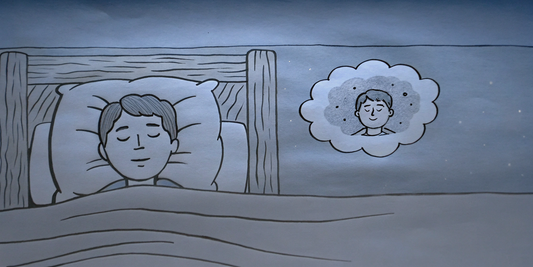

Can I Lucid Dream Every Night? Unlocking the Secrets with Trevania’s Guide
Share
Table of Contents
- Introduction
- The Essence of Lucid Dreaming
- The Science Behind Lucid Dreaming
- Techniques to Induce Lucid Dreams
- The Benefits of Lucid Dreaming
- Overcoming Common Challenges
- Conclusion: Your Journey Awaits
- FAQ
Introduction
Have you ever found yourself waking up from a dream, only to wish you could have stayed within it a little longer? Perhaps you’ve experienced that fleeting moment of clarity—a realization that you're dreaming while still in the midst of a fantastical adventure. Now, imagine possessing the power to navigate those dreams at will every single night. Sounds appealing, doesn’t it?
Lucid dreaming is not just a whimsical concept; it’s a profound skill that opens the door to uncharted realms of consciousness. The potential benefits are immense: from confronting fears, enhancing creativity, to gaining insights into our waking lives. But herein lies a common frustration—many aspiring dreamers struggle to achieve this state consistently.
So, can we really lucid dream every night? The answer is complex and often elusive, but we at Trevania believe that with the right guidance, it can be attainable. Our flagship product, "Second Life: A Beginner's Guide to Lucid Dreaming," serves as your essential roadmap to mastering this life-changing skill. In this blog post, we will explore the fascinating world of lucid dreaming and demonstrate how our guide is the key to unlocking your full potential in this exciting domain.
The Essence of Lucid Dreaming
Lucid dreaming occurs when we gain awareness that we’re dreaming, allowing us to exert control over our dreams. This heightened state of consciousness blurs the lines between the waking world and the dream realm, providing an unparalleled opportunity for exploration and self-discovery. However, the journey to consistently achieve this state requires more than just an understanding of what lucid dreaming is; it necessitates a structured approach that our guide meticulously provides.
The Problem with Traditional Learning Methods
Many individuals embark on the journey of lucid dreaming armed only with basic techniques such as reality checks and dream journaling. Unfortunately, these methods can be hit-or-miss, leading to frustration and discouragement. Without a clear, step-by-step framework, the chances of experiencing lucid dreams regularly remain low.
Our guide, "Second Life," is designed to address these common pitfalls. We’ve distilled our extensive research and experience into a comprehensive system that takes you from confusion to clarity. It provides the framework that transforms your dream experiences from sporadic occurrences to nightly adventures.
Don't miss out on this opportunity to transform your dream life. Explore "Second Life: A Beginner's Guide to Lucid Dreaming" today!
The Science Behind Lucid Dreaming
Recent studies reveal that lucid dreaming is associated with increased activation in the prefrontal cortex, the brain region responsible for decision-making and self-awareness. This heightened brain activity allows lucid dreamers to recognize their dreaming state and control their actions within the dream.
However, the science of lucid dreaming is not just a fascinating topic for researchers; it holds practical implications for those eager to master the skill. The cognitive techniques needed to develop this awareness are critical, and our guide provides in-depth insights into these methods, ensuring that you not only understand the science but can apply it effectively.
Why Most People Fail to Lucid Dream Regularly
The sporadic nature of lucid dreaming is attributed to various factors: sleep quality, stress levels, and personal motivation. For most people, lucid dreams occur infrequently—perhaps once or twice a month. This inconsistency often leads to disappointment and a sense of failure.
But don’t let this discourage you! Our guide meticulously details how to enhance your dream recall, improve your sleep quality, and cultivate the motivation necessary for success. We provide tailored techniques, ensuring that you can effectively navigate the challenges that typically hinder aspiring lucid dreamers.
Take the first step towards mastering your dreams. Get started with "Second Life: A Beginner's Guide to Lucid Dreaming" now!
Techniques to Induce Lucid Dreams
Achieving lucidity in dreams often hinges on employing proven techniques that heighten self-awareness during sleep. Here, we will briefly outline a few popular methods, but remember, these are just glimpses into the more comprehensive strategies included in our guide.
Reality Checks
Reality checks are simple exercises where you question whether you're awake or dreaming. By integrating these checks into your daily routine, you can train your mind to question reality, which may carry over into your dreams.
However, without a structured approach, many people find it challenging to remember to perform these checks consistently. "Second Life" provides a systematic method to incorporate reality checks into your life seamlessly, maximizing their effectiveness.
Dream Journaling
Keeping a dream journal is another essential practice. Recording your dreams upon waking helps enhance dream recall and allows you to identify patterns that may signal when you are dreaming.
While this technique can be beneficial, many beginners struggle with the discipline of maintaining a journal. Our guide includes motivational strategies and techniques to make dream journaling an integral part of your nightly routine.
MILD and WILD Techniques
The Mnemonic Induction of Lucid Dreams (MILD) and Wake-Initiated Lucid Dreaming (WILD) techniques are two powerful methods for inducing lucidity. MILD involves waking up after several hours of sleep and repeating a mantra to yourself, reinforcing the intention to realize you are dreaming. WILD, on the other hand, requires you to transition directly from waking to dreaming, often leading to vivid dream experiences.
Both techniques can be complex and require practice to master. Our guide breaks them down into manageable steps, making them accessible for beginners and more experienced dreamers alike.
Unlock the potential of these techniques and more in "Second Life: A Beginner's Guide to Lucid Dreaming." Start your journey today!
The Benefits of Lucid Dreaming
The advantages of mastering lucid dreaming extend beyond mere escapism. Engaging in lucid dreams can significantly enhance your waking life in several ways:
Emotional Healing and Personal Growth
Many lucid dreamers report using their dreams as a therapeutic tool. By confronting fears and anxieties within the dream state, individuals can experience emotional healing that carries over into their waking lives. Lucid dreaming offers a unique opportunity for introspection and growth that is simply unmatched.
Enhanced Creativity
Lucid dreaming can also serve as a canvas for creative exploration. Artists, writers, and innovators have long recognized the benefits of engaging with their subconscious minds through dreams. The ability to manipulate dream scenarios can lead to groundbreaking ideas and insights that otherwise might remain dormant.
Improved Problem Solving
Research suggests that engaging with complex problems in a lucid dream can enhance your ability to find solutions in your waking life. By practicing problem-solving techniques within the dream state, you can tap into a reservoir of creativity and insight.
Our guide elaborates on these benefits, equipping you with the knowledge and techniques to leverage your dreams for personal transformation. Don’t wait to experience these life-changing benefits! Grab your copy of "Second Life" now!
Overcoming Common Challenges
Despite the allure of lucid dreaming, many individuals encounter obstacles that prevent them from fully embracing this practice. Here are some common challenges and how our guide addresses them.
Difficulty Remembering Dreams
Many aspiring lucid dreamers struggle with dream recall. Without the ability to remember your dreams, the path to lucidity becomes significantly more challenging.
Our guide offers techniques for improving memory and recall, ensuring that you can capture your dreams and recognize opportunities for lucidity.
Stress and Sleep Quality
High stress levels can negatively impact sleep quality, leading to fewer opportunities for lucid dreaming. When our minds are cluttered with stress, achieving lucidity can feel nearly impossible.
Understanding the connection between stress management and sleep quality is crucial. "Second Life" provides actionable strategies for reducing stress and creating a conducive environment for restful sleep.
Fear of the Unknown
For some, the thought of lucid dreaming evokes fear or anxiety. Concerns about losing control or experiencing nightmares can deter individuals from pursuing this practice.
Our guide emphasizes empowerment and safety, offering techniques to navigate fears and harness the power of lucid dreaming positively.
Ready to tackle these challenges head-on? Transform your dream experiences with "Second Life: A Beginner's Guide to Lucid Dreaming" today!
Conclusion: Your Journey Awaits
The world of lucid dreaming is not just a whimsical concept; it holds the potential for profound transformation and self-discovery. While the idea of lucid dreaming every night may seem daunting, "Second Life: A Beginner's Guide to Lucid Dreaming" provides the tools and techniques you need to unlock this extraordinary skill.
We invite you to take action today. Every moment you delay is a moment you miss the chance to explore the vast landscapes of your consciousness. Don't let this opportunity slip away—embrace the adventure that awaits you in your dreams.
Join us at Trevania and start your journey towards mastering lucid dreaming. Get your copy of "Second Life" now!
FAQ
Can anyone learn to lucid dream?
Yes! With the right techniques and consistent practice, anyone can learn to lucid dream. Our guide provides a structured approach to help you develop this skill.
How long does it take to start lucid dreaming?
Results vary by individual, but many people report experiencing their first lucid dream within a few weeks of practicing the techniques outlined in our guide.
Is lucid dreaming safe?
Lucid dreaming is generally considered safe. However, if you have a history of sleep disorders or mental health issues, it's advisable to consult with a healthcare professional before embarking on your lucid dreaming journey.
What if I still can’t remember my dreams?
Dream recall can be improved through consistent practice of techniques like dream journaling and reality checks. Our guide provides additional strategies to enhance your dream memory.
Can lucid dreaming help with nightmares?
Yes! Many people use lucid dreaming to confront and transform nightmares into more positive experiences. Our guide includes techniques for utilizing your dreams for emotional healing.
Where can I get "Second Life: A Beginner's Guide to Lucid Dreaming"?
You can purchase our guide directly from the Trevania website. Start your journey today!