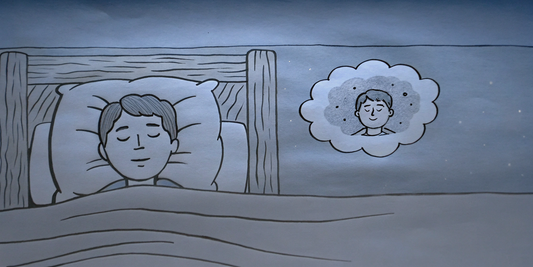

Are Lucid Dreams and Sleep Paralysis the Same? Understanding the Distinctions and How to Master Your Dreams
Share
Table of Contents
- Introduction
- Understanding the Science Behind Lucid Dreams and Sleep Paralysis
- The Transformative Power of Lucid Dreaming
- Addressing Common Challenges in Lucid Dreaming
- Conclusion: Your Journey Awaits
- FAQ
Introduction
Have you ever woken up in the middle of a dream, feeling an overwhelming sense of fear, unable to move while strange figures loom over you? This unsettling experience is often tied to sleep paralysis—a phenomenon that has intrigued and terrified countless individuals throughout history. But what if we told you that this nightmarish state is fundamentally different from the exhilarating world of lucid dreaming?
Lucid dreaming opens the door to a realm of infinite possibilities, where we can explore our subconscious, confront our fears, and even create vivid adventures. Yet, many of us stumble in our attempts to master this skill, often feeling lost and frustrated. The good news? We possess the key to unlocking your potential in this area: "Second Life: A Beginner's Guide to Lucid Dreaming." This guide is not merely a collection of techniques but a comprehensive pathway designed to help you navigate the complexities of lucid dreaming while sidestepping the pitfalls that often accompany it.
In this blog post, we will delve deep into the distinctions between lucid dreaming and sleep paralysis, uncovering their unique characteristics and implications. We will also illustrate how our guide serves as the essential tool for anyone eager to harness the power of their dreams. By the end, you will understand that while the concepts of lucid dreaming and sleep paralysis share a common ground in the realm of sleep science, the journey to mastering them is made infinitely easier with the right guidance.
Understanding the Science Behind Lucid Dreams and Sleep Paralysis
The Basics of Sleep Paralysis
Sleep paralysis occurs when a person is caught between sleeping and waking states. During these episodes, individuals often find themselves conscious yet unable to move or speak, typically accompanied by a feeling of pressure on their chest or a sensation of an ominous presence nearby. Scientifically, this phenomenon is linked to rapid eye movement (REM) sleep, where dreaming occurs. The body’s natural paralysis during this sleep stage prevents us from acting out our dreams.
-
Key Characteristics of Sleep Paralysis:
- Inability to Move: Occurs during the transition in and out of sleep.
- Sensory Hallucinations: Often includes feelings of dread or the presence of an intruder.
- Connection to REM Sleep: Occurs during the same stage of sleep responsible for most vivid dreams.
While sleep paralysis can be terrifying, it is crucial to understand that it is a temporary state and not harmful. However, it often leaves individuals feeling anxious and fearful about sleep, which can hinder their ability to explore the more positive aspects of their dreaming life.
The Allure of Lucid Dreaming
In stark contrast, lucid dreaming is a state where the dreamer is aware they are dreaming. This awareness can lead to an extraordinary level of control over the dream's narrative, allowing individuals to explore their desires, confront fears, and even practice skills in a limitless environment. Lucid dreaming can also provide therapeutic benefits, such as reducing anxiety and improving problem-solving skills.
-
Key Characteristics of Lucid Dreaming:
- Awareness of Dreaming: The dreamer recognizes the dream state.
- Control Over the Narrative: Ability to alter dream content or outcomes.
- Therapeutic Potential: Can help with issues like nightmares and anxiety.
Distinguishing Features: Lucid Dreams vs. Sleep Paralysis
While both phenomena occur during REM sleep and share elements of heightened awareness, they fundamentally differ in experience, emotional tone, and control. Here are the primary distinctions we should recognize:
- Control: In lucid dreaming, individuals often have the ability to manipulate their environment and experiences. In contrast, sleep paralysis leaves individuals feeling trapped and vulnerable.
- Emotional Tone: Lucid dreams can evoke feelings of joy, empowerment, and creativity, while sleep paralysis is typically associated with fear and anxiety.
- Purposeful Exploration vs. Frightening Experiences: Lucid dreaming is often pursued as a means of exploration and self-discovery, whereas sleep paralysis is frequently encountered unexpectedly and can be traumatic.
Understanding these differences is crucial for anyone looking to master lucid dreaming. Unfortunately, attempting to navigate this complex landscape without proper guidance can lead to confusion and frustration.
This is where "Second Life: A Beginner's Guide to Lucid Dreaming" comes in. Our guide distills the intricacies of both phenomena into clear, actionable steps, helping you cultivate the skills necessary to embrace lucid dreaming while bypassing the fears associated with sleep paralysis.
The Transformative Power of Lucid Dreaming
The Benefits Awaiting You
Engaging in lucid dreaming can be a transformative experience. Here are just a few benefits that you can expect to unlock with the guidance of our comprehensive guide:
- Enhanced Creativity: Many artists and thinkers report a boost in creativity due to insights gained in lucid dreams.
- Overcoming Fears: Confronting fears in a controlled dream environment can help reduce anxiety in waking life.
- Improved Problem-Solving Skills: Accessing the subconscious can lead to innovative solutions to real-world problems.
- Personal Growth: Exploring dreams can provide insights into your psyche and lead to profound personal development.
These benefits are not just abstract concepts; they are real experiences waiting for you to explore. Yet, without the structured approach provided in "Second Life," many individuals fail to see these rewards. We’ve honed our methods to ensure that you can easily integrate these techniques into your life, accelerating your journey towards mastery.
A Sneak Peek: Techniques in Our Guide
Our guide offers a wealth of techniques designed to facilitate lucid dreaming. Here are a few highlights that demonstrate how we empower you to achieve these remarkable states:
- Reality Checks: We teach you simple methods to determine whether you are dreaming, enhancing your awareness over time.
- Dream Journaling: Keeping a record of your dreams can significantly improve dream recall, a crucial skill for lucid dreaming.
- Induction Techniques: Our guide includes step-by-step instructions for various induction methods, including WILD (Wake-Initiated Lucid Dreaming) and MILD (Mnemonic Induction of Lucid Dreams).
These techniques represent just a fraction of what you will discover in "Second Life." Each method is designed to build upon the last, creating a cohesive system that fosters understanding and practice.
Addressing Common Challenges in Lucid Dreaming
The Frustrations of Learning Alone
Many aspiring lucid dreamers encounter common challenges that can stall their progress. These include:
- Difficulty Remembering Dreams: A significant barrier to lucid dreaming is the inability to recall dreams upon waking.
- Inconsistent Experiences: Many people find that they can achieve lucidity sporadically, leading to frustration and discouragement.
- Fear and Anxiety: Previous experiences with nightmares or sleep paralysis can create mental blocks that inhibit the ability to embrace lucid dreaming.
The good news? "Second Life: A Beginner's Guide to Lucid Dreaming" is specifically crafted to address and mitigate these challenges. Our guide not only provides effective techniques but also instills the confidence necessary to overcome these barriers.
How Our Guide Solves These Issues
- Memory Techniques: We offer proven methods to enhance dream recall, ensuring that you will remember your dreams more vividly and consistently.
- Structured Practice Routines: Our guide provides clear, actionable practice plans that help you build your skills incrementally.
- Mindfulness Exercises: Incorporating mindfulness into your daily routine can help reduce anxiety and foster a more conducive environment for lucid dreaming.
By recognizing the common pitfalls and providing tailored solutions, we empower you to embark on your lucid dreaming journey with confidence and clarity.
Conclusion: Your Journey Awaits
As we have explored, the realms of lucid dreaming and sleep paralysis, while interconnected, offer vastly different experiences. Lucid dreaming is a powerful tool for self-exploration and personal growth, while sleep paralysis serves as a reminder of the complexities of our consciousness.
"Second Life: A Beginner's Guide to Lucid Dreaming" stands as your gateway to mastering this transformative skill. With our guide, you will not only learn the techniques needed to achieve lucidity but also embrace the profound benefits that come with it.
Don't let the opportunity to unlock your potential slip away. The journey to personal growth, creativity, and empowerment through lucid dreaming is within your reach, and it all begins with our guide.
Don't Wait—Start Your Journey Today!
Visit our product page to obtain your copy of "Second Life: A Beginner's Guide to Lucid Dreaming" and take the first step toward mastering your dreams. Your adventure awaits, and the time to embrace it is now!
Learn More About "Second Life: A Beginner's Guide to Lucid Dreaming"
FAQ
What is the difference between lucid dreaming and sleep paralysis?
Lucid dreaming is a state of awareness in which the dreamer recognizes they are dreaming and can often manipulate the dream. Sleep paralysis, on the other hand, is a temporary inability to move while waking up or falling asleep, often accompanied by frightening hallucinations.
Can I learn lucid dreaming on my own?
While it is possible to learn lucid dreaming independently, many individuals struggle with common challenges. "Second Life: A Beginner's Guide to Lucid Dreaming" offers a structured approach that simplifies the learning process and enhances your chances of success.
How can I overcome fear related to sleep paralysis?
Understanding the nature of sleep paralysis can help reduce fear. Additionally, engaging with the techniques provided in our guide can help you build confidence and reduce anxiety around sleeping.
Is lucid dreaming safe?
Yes, lucid dreaming is generally considered safe. It is a natural state of consciousness that many people experience. However, having the right tools and techniques, like those found in "Second Life," can enhance your experience and help you navigate any challenges.
How long does it take to learn lucid dreaming?
The time it takes to learn lucid dreaming varies by individual. With dedicated practice and the techniques found in "Second Life," many people begin to experience lucidity within weeks.
Where can I purchase "Second Life: A Beginner's Guide to Lucid Dreaming"?
You can purchase your copy directly from our product page here: Second Life: A Beginner's Guide to Lucid Dreaming. Start your journey today!